
The Future of CE Marking in UK Eye Care
Indefinite CE Marking: What the MHRA Consultation Means for the Eye Care Sector

The UK’s medical device landscape just took a significant turn. On 16 February 2026, the MHRA launched a landmark consultation proposing the indefinite recognition of CE-marked medical devices in Great Britain. For the eye care sector—where the vast majority of products currently rely on European certification—this is the most consequential regulatory update since Brexit.
.
Moving Away from the "Cliff Edge"
Originally, the UK was set to transition entirely to the UKCA (UK Conformity Assessed) mark by 2028 or 2030. This created a "sunset date" that left many optical manufacturers worried about supply chain disruptions and the high costs of dual certification.
By proposing to accept the CE mark indefinitely, the MHRA is choosing stability over divergence. For optometrists, dispensing opticians, and manufacturers, this means the lenses, frames, and surgical equipment you use today won't suddenly become "unauthorised" due to a labelling deadline.
What This Means for Ophthalmic Products
The eye care sector handles a diverse range of risks, and the consultation treats them accordingly:
Low-Risk (Class I): Items like spectacle frames and finished lenses will benefit from reduced administrative hurdles. The goal is to keep these everyday essentials affordable for patients.
Medium to High-Risk (Class IIa/IIb/III): Products like contact lenses, surgical lasers, and medicated lenses will still require rigorous oversight. However, instead of needing a separate UK-specific audit, manufacturers can continue to use their EU MDR certification to prove safety and efficacy.
A Win for Innovation
Industry bodies like the ABHI and ABDO have welcomed the move, noting that it allows companies to focus their budgets on Research & Development rather than regulatory paperwork. It also opens up a "reliance route," meaning if a breakthrough eye care device is approved by another trusted global regulator (like the FDA), it could reach the UK market faster.
Final Call for Input
The consultation closes on 10 April 2026. This is a vital window for professionals in the optical industry to voice their opinions on how these rules should be implemented, ensuring patient safety remains the top priority while maintaining a steady flow of high-quality eye care technology.
Related Posts
-

EssilorLuxottica Has Lost Nearly a Third of Its Market Value. Here's What It Means for Your Practice.
The Numbers Don't Lie EssilorLuxottica's stock has lost close to €50 billion in market value over the past twelve ...
-
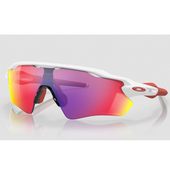
Oakley Radar EV Path: Precision Vision for Road Cyclists
When every second and every turn counts, vision becomes your greatest asset. The Oakley Radar EV Path with Prizm Road...
-
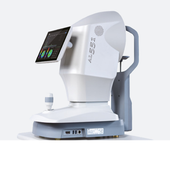
Mediworks AL551: The New Biometer That Debuted at 100% Optical 2026
A new biometer and corneal topographer combination has arrived in the UK — and it debuted at 100% Optical 2026. The M...


