
Why Independent Practices Winning in 2026 Bet on Specialism
In 2024 alone, Hakim Group acquired 65 companies — 121 practices — across the UK and Ireland. That was up from 75 the previous year. They have now absorbed more than 500 independent practices since 2005, backed by two rounds of private equity investment, the most recent from global asset manager ICG in January 2026. In their own words, the stated goal of their investors is to capitalise on "consolidating the UK's fragmented optician practice market." This is not consolidation creeping up on the independent sector. It is a consolidation at pace, with institutional backing. So the question for any independent practice owner who intends to stay independent is simple: what are you known for that they cannot replicate?

Specialism is the answer. Not in a vague, aspirational sense. In a very specific, commercially deliberate sense. The practices pulling ahead in this environment are not trying to compete with Hakim or Specsavers on price, footfall or marketing spend. They are becoming the practice in their area that does one or two things exceptionally well — things that the corporate model, with its standardised appointment slots and central buying decisions, structurally cannot match.
Myopia management. Dry eye clinics. Neurodevelopmental optometry. Orthokeratology. These are not fringe services. They are growing revenue lines with long patient relationships attached — and independent practices almost exclusively deliver them.
What consolidation actually looks like from the inside
Hakim Group operates a joint venture model. They acquire a controlling stake in the practice alongside the owner, who continues to run the business day to day. The practice keeps its name. The owner keeps a role. But the equity — and the strategic direction — passes to a group that now has ICG's European mid-market investment team and All Seas Capital behind it.
This is not predatory in the traditional sense. Many practice owners actively choose it. The offer of back-office support, purchasing power, and a partial exit is genuinely attractive after twenty years of running everything yourself. But it is worth being clear about what it means for the sector. Every practice that joins a group of this kind ceases to exist as an independent practice. The patient still sees the same name on the door. The clinical work is still good. But the commercial independence — the ability to set your own strategy, choose your own suppliers, build something that belongs entirely to you — is gone.
Corporate chains and groups now control an estimated 75-80 per cent of optical services by value in the UK. Approximately 2,622 businesses trade as genuinely unregistered independents — fewer than half of all optical businesses by count. That number is falling. The practices that remain will need a reason to be chosen that goes beyond proximity and price.
Myopia management: a service that builds a patient base for years
One in two children born today may have myopia by the time they reach the age of twenty. That figure comes from CooperVision's analysis of global data, and it has not been widely contested. 54% of UK consumers are already worried about the effects of screen time on their eye health, according to Mintel's 2025 research. Parents are paying attention.
Myopia management is not a single-appointment service. It is a multi-year clinical relationship. A child fitted with MiSight contact lenses or Essilor Stellest spectacle lenses at the age of eight is likely to remain a patient of that practice—and bring their family— over the next decade. The 2026 treatment options available are the strongest they have ever been. In February 2026, CooperVision launched MyDay MiSight 1 day in the UK, combining the silicone hydrogel material of MyDay with the proven ActivControl Technology of MiSight — improving comfort while preserving the 50 per cent myopia progression, slowing the original lens demonstrated in clinical trials. EssilorLuxottica launched Stellest 2.0 in the UK that same month, offering a stronger optical signal for younger children at higher risk. Low-dose atropine drops received UK approval in 2026 for children with progressive myopia.
Independent practices with the clinical space to run a dedicated myopia clinic, the appointment time to do a proper assessment, and the freedom to choose which products to work with are better placed to deliver this service than any multiple. A Specsavers practice follows central clinical governance frameworks and centrally agreed product lists. You do not.
Dry eye: one in three of your patients has it, and most of them do not know
Estimates suggest that around one in three people in the UK are affected by dry eye disease. Most experience it as an irritation they live with — gritty eyes, end-of-day discomfort, sensitivity to screens — rather than a condition they seek treatment for. The gap between the prevalence of dry eye and the number of people receiving active management for it represents one of the most underserved clinical opportunities in independent practice.
A dedicated dry eye clinic — with appropriate diagnostic equipment, a clear consultation pathway, and the ability to offer treatments from lid hygiene products through to intense pulsed light therapy — creates a revenue stream that runs parallel to standard dispensing. It also creates patient loyalty that is almost impossible to replicate in a corporate setting. A patient with their dry eye disease actively managed by a clinician they trust does not switch practices based on a promotional discount.
Myers La Roche, optical practice valuation specialists who have worked with the sector for over two decades, have noted a clear trend: the independent practices growing fastest in the current market are those with defined private specialisms — dry eye, myopia management, and behavioural optometry among them. Specialism does not just create new income. According to their analysis, it increases the catchment area the practice draws from, because specialist services are scarce and patients will travel further to access them.
Neurodevelopmental optometry: the specialism most practices have not yet considered.
Neurodevelopmental optometry — the assessment and management of visual processing difficulties in children with conditions including dyslexia, dyspraxia, ADHD, and autism spectrum conditions — is one of the least-served specialist areas in UK optometry. Demand from parents and schools is growing. Referral pathways from educational psychologists and paediatricians are increasingly common. And the number of practices offering a credible, structured service in this area remains very small.
This is not a service you can build overnight. It requires additional training, appropriate equipment, and a clinical framework. But for a practice prepared to invest in it, the competitive position is almost unassailable locally. There is no version of this service that Specsavers can deliver in a 20-minute appointment slot. It is inherently a service for practices with the time, the expertise, and the relationship with patients to do it properly.
The Association for Independent Optometrists and Dispensing Opticians — the AIO — exists to support practices building exactly these kinds of specialist models. Their 2026 Building for Success Conference, taking place in partnership with the National Eyecare Group in October at St George's Park in Burton-on-Trent, is open to non-members working in independent practice for the first time. It is worth noting in the diary.
The halo effect: why specialism feeds everything else
There is a commercial logic to specialism that goes beyond the direct revenue from the specialist service itself. A practice known locally for myopia management attracts parents. Those parents bring siblings. They become patients for routine eye examinations, contact lenses, and frames. They refer their friends. The specialist reputation generates general practice footfall that the practice would otherwise have had to advertise for.
The halo effect is real, and it is documented consistently by the practices that have built it. It is also structurally unavailable to a multiple. Hakim Group can acquire a practice that offers myopia management. Still, they cannot manufacture the reputation that a genuinely expert, locally embedded, independently owned practice builds over years of delivering that service well.
That reputation is yours. It cannot be bought. It can only be built — and it takes longer to build than it does for a group to acquire 121 practices in a single year.
Where to start
If you already run an independent practice, the question is not whether to develop a specialism but which one. The answer depends on your existing clinical skills and interests, your patient demographics, and what is already available—or, more importantly, unavailable—within a 10 to 15 mile radius of your practice.
Myopia management is the most immediately accessible for most practices, given the range of products now available and the volume of accreditation routes through CooperVision, Hoya, and Essilor. Dry eye is the largest underserved patient population. Neurodevelopmental optometry has the highest barrier to entry and the lowest local competition.
The AIO's resources at aiovision.org and the National Eyecare Group at nationaleyecare.co.uk are both worth exploring as starting points for support, peer connection, and CPD in specialist areas.
Hakim Group acquired more than two practices every week in 2024. The pace is not slowing. The practices that remain independent in five years will be the ones that gave their patients a reason to stay.
If you want to think through which specialism fits your practice and how to build it into a growth strategy, this is exactly the conversation our Grow Independent service is built for. Book a Free 20-Minute Practice Growth Call
Related Posts
-
Dispensing Opticians Are Disappearing. Here's Why That Matters.
The UK is on course to lose more than one in ten of its dispensing opticians over the next decade. At the same time, ...
-
EssilorLuxottica Has Lost Nearly a Third of Its Market Value. Here's What It Means for Your Practice.
The Numbers Don't Lie EssilorLuxottica's stock has lost close to €50 billion in market value over the past twelve ...
-
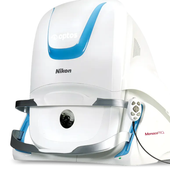
Optos MonacoPro: The Case for Ultra-Widefield OCT in Independent Practice
There are currently around 608,000 people on the NHS ophthalmology waiting list in England. Most of them did not star...


