
Mandatory sight tests for drivers over 70: opportunity or trap?
The Government's consultation on mandatory sight tests for drivers aged 70 or over closed on 11 May. The profession is united. The clinical case is watertight. The opportunity for independent practice is real. But before anyone gets too excited — we've been here before. And the NHS sight test fee is still £22.14.

The numbers are not in dispute.
There are now 6.3 million drivers aged 70 and over holding a full driving licence in the UK. That is a 60% increase since 2012. The current system requires them to self-declare that they can still see well enough to drive. No professional check. No clinical sign-off. Just a box ticked on a form.
A College of Optometrists study of police data found that 77% of collision reports involving drivers over 60 listed uncorrected or defective vision as a contributory factor. A Hampshire Constabulary study found that 51% of over-70 drivers who were offered an assessment after being stopped for careless driving required eyesight correction. Four people per day were killed on UK roads in 2024.
The UK is one of only three countries in the world still relying on self-declaration. The case for reform does not need to be made again. It is already made.
What the AOP and College are asking for.
The Association of Optometrists and the College of Optometrists submitted their joint response to the Department for Transport consultation before the 11 May deadline. Their position is clear: mandatory, optometry-led sight tests at every licence renewal from age 70 — every three years — delivered in community optical practices by registered optometrists.
Not a screening kiosk. Not a GP referral pathway. A proper sight test, in a properly equipped practice, conducted by a clinical professional. The AOP was explicit: statutory optometry-led sight tests are the best way to deliver this reform—and the profession has the infrastructure and capacity to do so.
The opportunity for independent practice is significant. And specific.
Older patients are already the core demographic of most independent practices. They value continuity of care. They value being known by name. They value a consultation that is not measured in minutes. A mandatory three-yearly sight test for every driver over 70 means a recurring, clinically justified appointment with a patient group that is already predisposed to choose an independent practice over a corporate chain.
This is not a peripheral opportunity. It is a structural one. If this reform passes into law — properly funded, properly structured — it inserts independent optical practice into the mandatory compliance lifecycle of millions of older drivers.
Can we trust the Government to fund it properly? History says be careful.
Here is where the enthusiasm needs a cold check.
The NHS sight test fee in England is currently £22.14. It has been documented repeatedly as insufficient to cover the cost of delivering a sight test. Independent practices have been cross-subsidising NHS work through private dispensing margins for years. The NHS ophthalmology waiting list now stands at over 590,000. The Government is simultaneously asking the optical profession to absorb the pressure of a collapsing secondary care system — and it has not resolved the fundamental problem of what it actually pays for a sight test.
The AOP raised this directly in its policy briefing. It warned that any attempt to use the NHS sight-testing service for mandatory driver testing, without additional dedicated funding, could actively harm the prospects of a long-overdue increase in the sight test fee. In other words, be careful what you agree to deliver before the contract terms are set.
There is also a structural risk that deserves to be named plainly. The optical profession has watched a single national contract swallow services that should have been distributed across community practice. If mandatory driver testing becomes a commissioned service tendered as a single national contract — rather than delivered through the existing community optometry infrastructure — independent practices could find themselves locked out of the very opportunity they are being asked to build capacity for.
What independent practices should do now.
The consultation has closed. The Government response will shape legislation. Between now and that point, there is a window.
Make sure your Local Optical Committee knows your practice exists and is ready to go. Understand what an ICS contract looks like in your area and whether your practice is positioned to bid. Follow the AOP's updates closely — the fee and contract structure decisions that follow will determine whether this reform benefits independent practice or bypasses it entirely.
The clinical case is won. The political will appears to exist. The question now is whether the profession — and specifically the independent sector — gets a fair share of what comes next. That is not guaranteed. It has to be argued for.
This is exactly the kind of conversation our Grow Independent service is designed for. Book a Free 20-Minute Practice Growth Call
Related Posts
-
BMAO Condemns Golders Green Terror Attack and Walsall Rape in Official Statement
From BMAO: "Silence in the face of violence is not neutrality. It is complicity. What happened in Golders Green and t...
-

Free BCLA Webinar: Contact Lens Confidence for Students and Early Clinicians
Contact lens confidence is not something you either have or don't. It is something you build. And the BCLA is offerin...
-
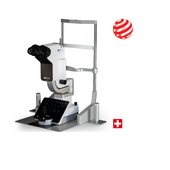
Haag-Streit Elara 900: What Independents Need to Know
Haag-Streit has put a new slit lamp on the market, and it's not a minor refresh. The Elara 900 rebuilds the instrumen...


